How to Migrate Oracle Database to Google Cloud SQL for PostgreSQL with Streaming Data Integration

For those who need to migrate an Oracle database to Google Cloud, the ability to move mission-critical data in real-time between on-premises and cloud environments without either database downtime or data loss data is paramount. In this video Alok Pareek, Founder and EVP of Products at Striim demonstrates how the Striim platform enables Google Cloud users to build streaming data pipelines from their on-premises databases into their Cloud SQL environment with reliability, security, and scalability. The full 8-minute video is available to watch below:

Easy to Use

Striim offers an easy-to-use platform that maximizes the value gained from cloud initiatives; including cloud adoption, hybrid cloud data integration, and in-memory stream processing. This demonstration illustrates how Striim feeds real-time data from mission-critical applications from a variety of on-prem and cloud-based sources to Google Cloud without interruption of critical business operations.
Oracle database to Google Cloud

Visualize Your Data

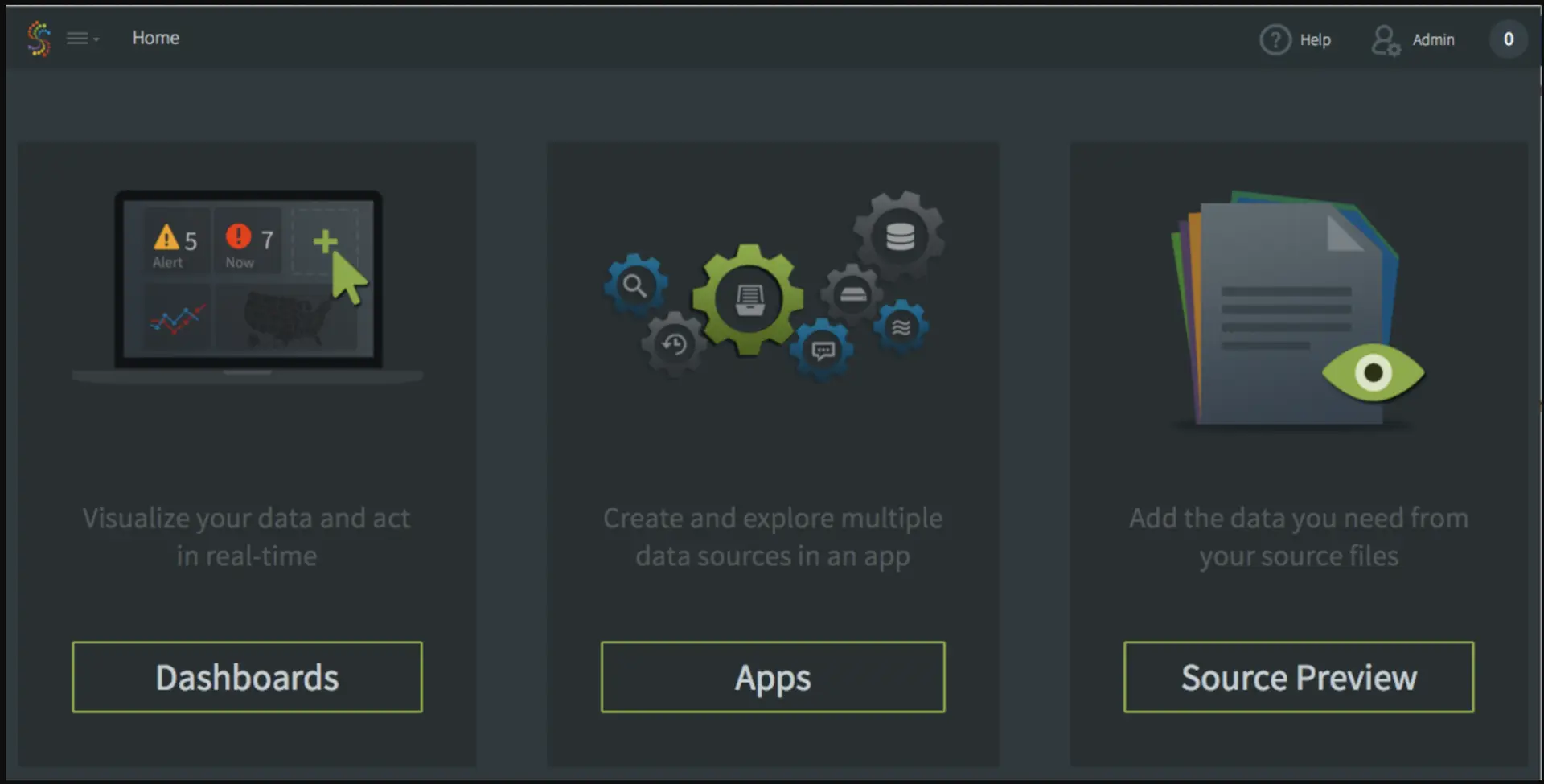
Through different interactive views, Striim users can develop Apps to build data pipelines to Google Cloud, create custom Dashboards to visualize their data, and Preview the Source data as it streams to ensure they’re getting the data they need. For this demonstration, Apps is the starting point from which to build the data pipeline.

There are two critical phases in this zero-downtime data migration scenario. The first involves the initial load of data from the on-premise Oracle database into the Cloud SQL Postgres database. The second is the synchronization phase, achieved through specialized readers to keep the source and target consistent.
Oracle database to Google Cloud
Striim Flow Designer

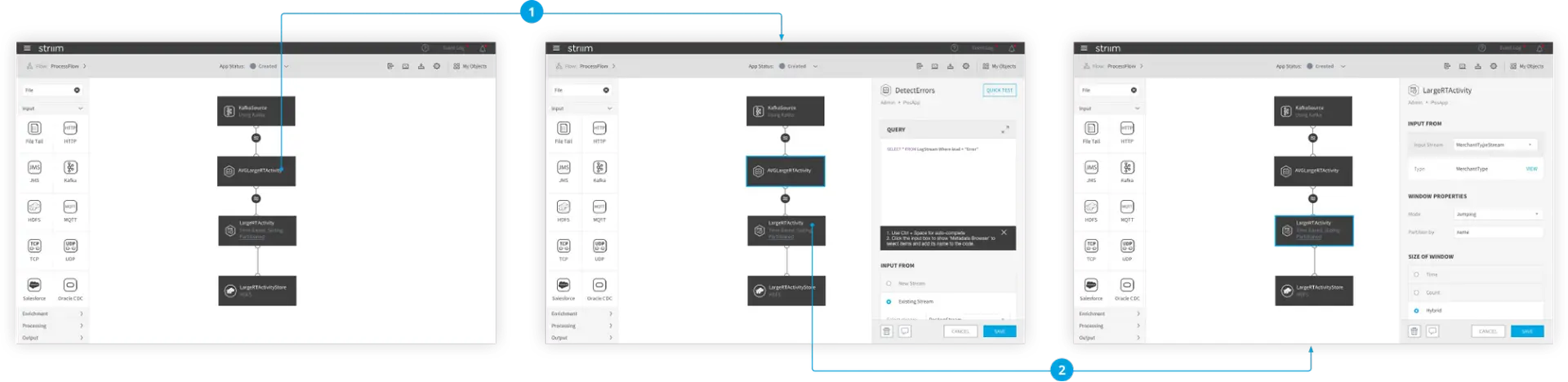
The pipeline from the source to the target is built using a flow designer that easily creates and modifies streaming data pipelines. The data can also be transformed while in motion, to be realigned or delivered in a different format. Through the interface, the properties of the Oracle database can also be configured – allowing users extensive flexibility in how the data is moved.

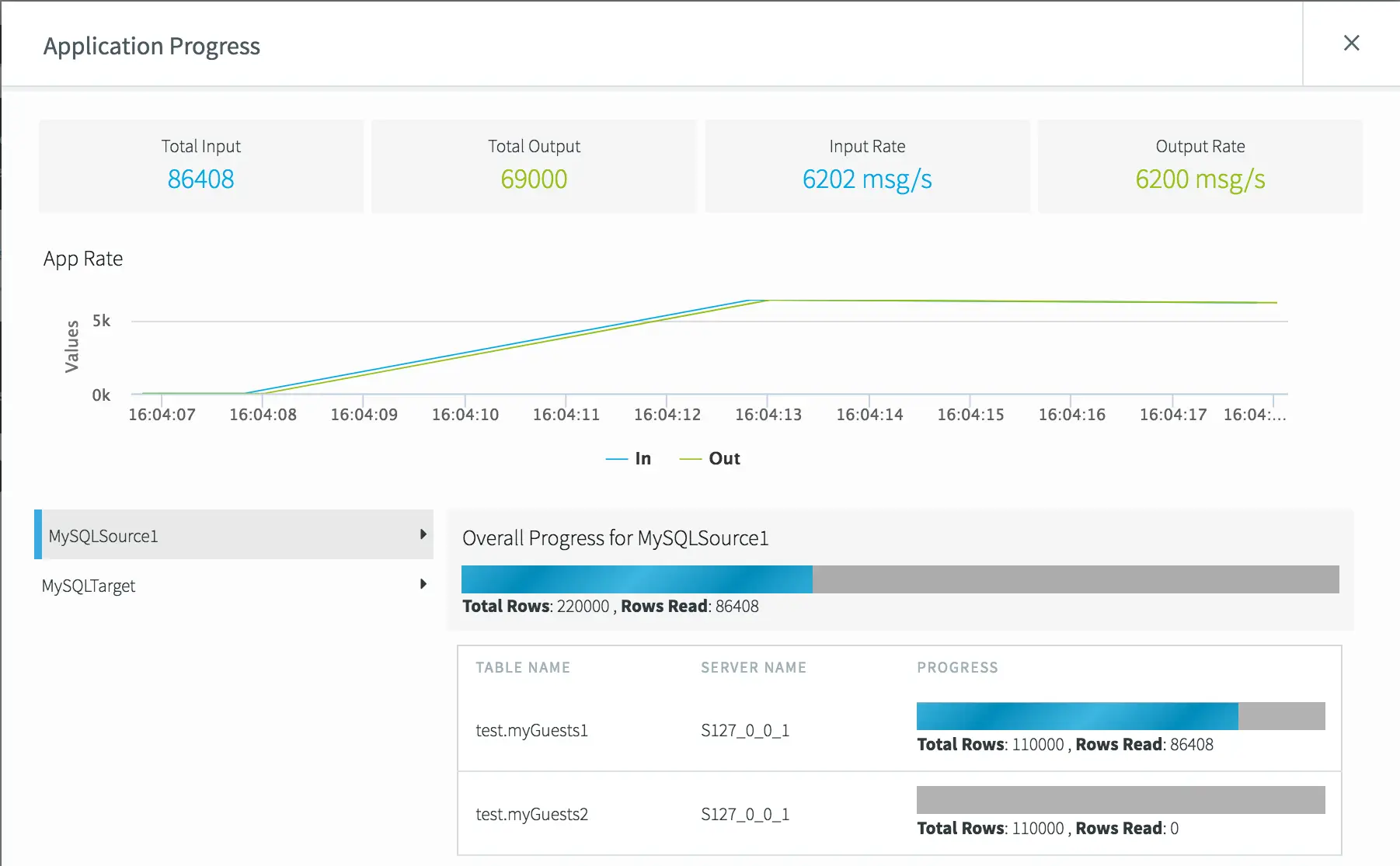
Once the application is started, the data can be previewed, and progress monitored. While in-motion, data can be filtered, transformed, aggregated, enriched, and analyzed before delivery. With up-to-the-second visibility of the data pipeline, users can quickly and easily verify the ingestion, processing, and delivery of their streaming data.
Oracle database to Google Cloud

During the time of initial load, the source data in the database is continually changing. Striim keeps the Cloud SQL Postgres database up-to-date with the on-premises Oracle database using change data capture (CDC). By reading the database transactions in the Oracle redo logs, Striim collects the insert, update, and delete operations as soon as the transactions commit, and makes only the changes to the target, This is done without impacting the performance of source systems, while avoiding any outage to the production database.

By generating DML activity using a simulator, the demonstration shows how inserts, updates, and deletes are managed. Running DMLS operations against the orders table, the preview shows not only the data being captured, but also metadata including the transaction ID, the system commit number, the table name, and the operation type. When you log into the orders table, the data is present in the table.

The initial upload of data from the source to the target, followed by change data capture to ensure source and target remain in-sync, allows businesses to move data from on-premises databases into Google Cloud with the peace of mind that there will be no data loss and no interruption of mission-critical applications.

Additional Resources

To learn more about Striim’s capabilities to support the data integration requirements for a Google hybrid cloud architecture, check out all of Striim’s solutions for Google Cloud Platform.

To read more about real-time data integration, please visit our Real-Time Data Integration solutions page.

To learn more about how Striim can help you migrate Oracle database to Google Cloud, we invite you to schedule a demo with a Striim technologist.


Stream Data into Snowflake with Streaming Data Integration

In this video, learn why enterprises must stream data into Snowflake to take full advantage of this data warehouse built for the cloud.

To learn more about Striim for Snowflake Data Warehouse, visit our Snowflake solution page.


Video Transcription: 

You chose Snowflake to provide rapid insights into your data on a massive scale, on AWS or Azure. However, most of your source data resides elsewhere – in a wide variety of on-premise or cloud sources. How do you continually move data to Snowflake in real-time, processing it along the way, so that your fast analytics and insights are reporting on timely data?

Snowflake was built for the cloud, and built for speed. By separating compute from storage you can easily scale up and down as needed. This gives you instant elasticity supporting any amount of data, and high speed queries for any number of users, coupled with the peace of mind provided by secure data sharing. The per-second pricing and support for multiple clouds allows you to choose your infrastructure and only pay when you are using the data warehouse.

However, residing in cloud means you have to determine how to most effectively move data to Snowflake. This could be migrating an existing Teradata or Exadata Data Warehouse, or continually populating Snowflake with newly generated on-premises data from operational databases, logs, or device information. In order for the warehouse to provide up-to-date information, there should be as little latency as possible between the original data creation and its delivery to Snowflake.

The Striim platform can help with all these requirements and more. Our database adapters support change data capture, or CDC, from enterprise or cloud databases. CDC directly intercepts database activity and collects all the inserts, updates, and deletes as they happen, ready to stream into Snowflake. Adapters for machine logs and other files read at the end of multiple files in parallel to stream out data as it is written, removing the inherent latency of batch. While data from devices and messaging systems can be collected easily, independent of their format, through a variety of high-speed adapters and parsers.

After being collected continuously, the streaming data can be delivered directly into Snowflake with very low latency, or pushed through a data pipeline where it can be pre-processed through filtering, transformation, enrichment, and correlation using SQL-based queries, before delivery into Snowflake. This enables such things as data denormalization, change detection, de-duplication, and quality checking before the data is ever stored.

In addition to this, because Striim is an enterprise-grade platform, it can scale with Snowflake and reliably guarantee delivery of source data while also providing built-in dashboards and verification of data pipelines for operational monitoring purposes.

The Striim wizard-based UI enables users to rapidly create a new data flow to move data to Snowflake. In this example, real-time change data from Oracle is being continually delivered to Snowflake. The wizard walks you through all the configuration steps, checking that everything is set up properly, and results in a data flow application. This data flow can be enhanced to filter, transform and enrich the data through SQL-based queries. In the video, we add a name and email address from a cache, based on an ID present in the original data.

When the application is started, data flows in real-time from Oracle to Snowflake. Making changes in Oracle results in the transformed data being written continually to Snowflake, visible through the Snowflake UI.

Striim and Snowflake can change the way you do analytics, with Snowflake providing rapid insight to the real-time data provided by Striim. The data warehouse that is built for the cloud needs data delivered to the cloud, and Striim can continuously move data to Snowflake to support your business operations and decision-making.

To learn more about how Striim makes it easy to continuously move data to Snowflake, visit our Striim for Snowflake product page, schedule a demo with a Striim technologist, or download the platform and try it for yourself.

Back to top